How to Set a Budget for Your Bathroom Remodel: A Step-by-Step Guide
· updated
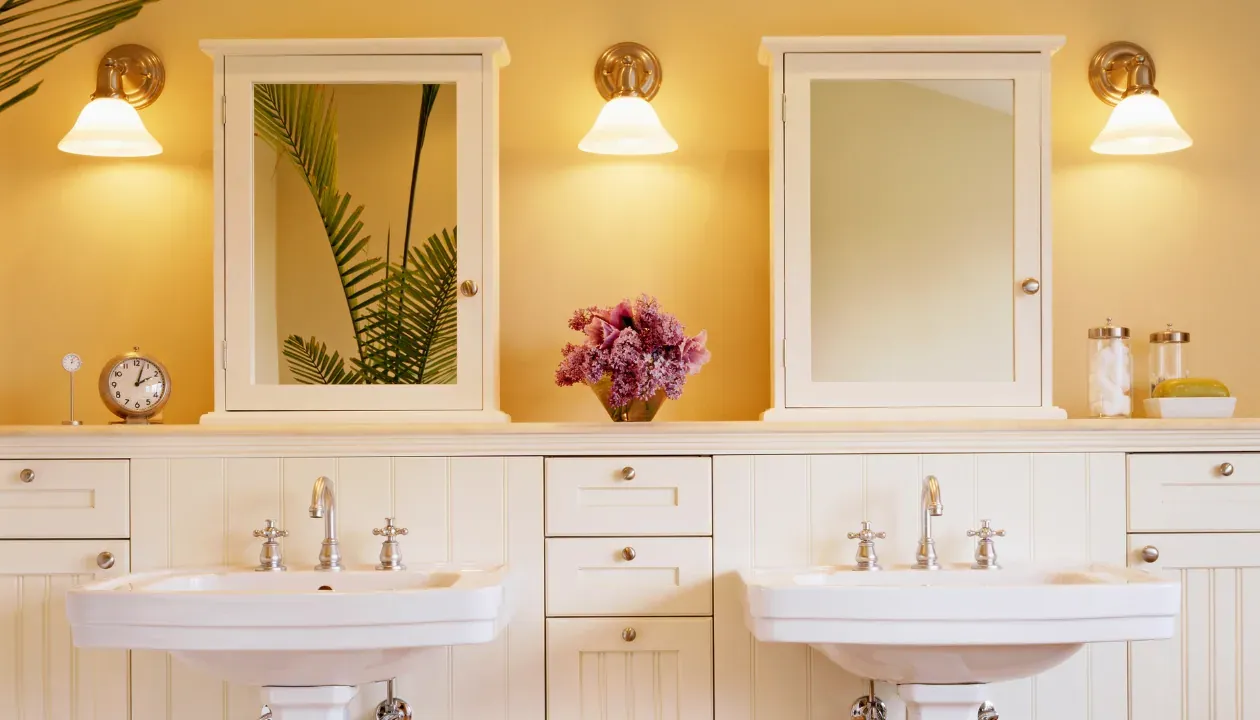
Planning a bathroom remodel can feel overwhelming, especially when it comes to setting a budget. With various elements to consider—from cabinetry and fixtures to labor costs—knowing where to allocate your funds is crucial.
Did you know that labor alone can take up about 20% of your total budget? Understanding these percentages can help you prioritize your needs and wants effectively.
Start by differentiating between essentials and luxuries. Make a list of the top items you need to replace or update, and don’t forget to set aside a contingency fund for unexpected expenses.
With the right approach, you can create a stunning bathroom that fits your vision without breaking the bank.
Understanding Your Bathroom Remodel Costs
Understanding the costs associated with a bathroom remodel involves evaluating multiple factors. Knowing these components helps you allocate your budget effectively and prevents overspending.
Factors Influencing Bathroom Remodel Costs
Several factors significantly influence your bathroom remodel costs:
-
Project Scope: Larger renovations incur higher expenses. Consider your project’s size and complexity when estimating costs.
-
Materials: Higher-quality materials, such as designer tiles or custom cabinetry, increase expenses. Opt for materials that match your budget and aesthetic preferences.
-
Labor: Hiring a contractor typically impacts overall costs, contributing roughly 20% of the total budget. Weigh the benefits of professional assistance against potential savings from DIY work.
-
Fixture Selection: The choice of fixtures, including sinks, toilets, and tubs, affects costs. Premium fixtures can dramatically raise your budget. Prioritize functionality and durability.
-
Layout Changes: Changing your bathroom’s layout often requires additional plumbing and electrical work, leading to higher costs. Maintain the existing layout to save money.
Setting Your Budget
Establishing a budget is essential for a successful bathroom remodel. You must consider all aspects, from labor to materials, to prevent overspending.
Determining Your Budget Range
Start by assessing your overall financial situation. Define a total budget for the remodel, grounded in your financial capacity.
Decide on a budget that aligns with your desired quality and the scope of the project. Consider how much you’re willing to invest in features like fixtures, tiles, and cabinetry.
Document your target budget, ensuring it accommodates both necessities and enhancements.
Allocating Budget for Different Areas
Divide your total budget among essential categories, ensuring a comprehensive overview of spending.
-
Labor Costs: Allocate approximately 20% of your budget for labor.
-
Materials: Designate about 30-40% for high-quality materials, including tiles, countertops, and fixtures.
-
Plumbing: Set aside around 10-15% for plumbing upgrades or changes.
-
Electrical Work: Reserve 5-10% for electrical adjustments or new lighting fixtures.
-
Contingency Fund: Keep 10-15% for unexpected expenses, ensuring flexibility.
By distributing funds wisely across these categories, you create a structured approach to your bathroom remodel, promoting financial stability throughout the process.
Planning for Contingencies
Planning for unexpected costs during your bathroom remodel is essential for staying within budget. You’ll likely encounter surprise expenses that arise from unseen issues, necessitating a contingency fund.
Common Unexpected Costs
Hidden damages during remodels are common culprits for budget overruns. When walls and floors are opened, you might discover:
-
Mold Damage: This can occur anywhere moisture is present, resulting in remediation costs ranging between $500 and $3,000.
-
Water Damage: Similar to mold, water damage can lead to significant repair expenses, depending on the extent and location.
-
Old Plumbing and Wiring: If your home’s plumbing or wiring hasn’t been updated in years, upgrading these elements to meet code can incur additional costs.
Assume that unforeseen repairs may arise and factor in about 10-20% of your total budget for these expenses.
Tips to Manage Budget Overruns
Managing budget overruns requires a proactive approach. Consider these strategies:
-
Prioritize Your Needs: Distinguish essential items from luxury upgrades. Focus on critical areas first to ensure project success.
-
Consult with Professionals: Hire experienced contractors who can identify potential issues early. Their insights can help you avoid future costs.
-
Stay Flexible: Adaptability is key. Monitor expenses throughout the project and adjust your budget as needed.
-
Review Your Contingency Fund Regularly: Track your contingency fund to ensure it’s adequate for unexpected repairs. If costs remain low, consider reallocating some funds to enhancements.
Implementing these strategies prepares you for the unexpected and maintains financial stability throughout your bathroom remodel.
Choosing Between DIY and Hiring Professionals
Deciding whether to tackle your bathroom remodel as a DIY project or hire professionals can significantly affect your budget and overall experience. Each option has distinct advantages and drawbacks that influence cost and quality.
If your remodel involves complex tasks like plumbing or electrical work, hiring licensed professionals mitigates risks associated with improper installations and can protect from costly repairs down the line.
Strategies for Cost Savings
Implementing effective strategies for cost savings can make a significant difference in your bathroom remodel budget. By considering affordable alternatives and prioritizing essential upgrades, you can achieve your desired results without overspending.
Affordable Material Alternatives
Opting for quality materials can elevate your bathroom’s look while staying within budget. Choose wood instead of plastic for cabinetry or trim. Use glass over rubber for shower doors or mirrors, as this offers durability and a sleek appearance.
Select metal fixtures rather than PVC, which provides a higher-end look that withstands time and wear. Additionally, paint can transform outdated flooring like tile or linoleum.
Use a floor-specific paint for durability and an updated aesthetic at a fraction of the cost of replacement.
Prioritizing Essential Upgrades
Identifying essential upgrades helps to focus your budget where it matters most. Create a prioritized list of necessary changes, like replacing old plumbing or fixing water damage, which ensures functionality and safety.
Allocate resources towards fixtures that significantly enhance your bathroom’s quality, such as faucets, toilets, and storage solutions, before investing in cosmetic features. By prioritizing wisely, you address key issues first, allowing for a more attractive and functional space without excessive spending.
Conclusion
Setting a budget for your bathroom remodel doesn’t have to be overwhelming. By understanding the costs involved and prioritizing your needs, you can create a space that meets your vision without breaking the bank.
Always remember to allocate funds for unexpected expenses and remain flexible throughout the process.
Whether you choose to tackle the project yourself or hire professionals, your careful planning will pay off. With the right strategies in place, you can achieve a beautiful and functional bathroom that enhances your home while staying within your financial limits.
Embrace the journey and enjoy the transformation of your space.
Frequently Asked Questions
What factors influence the cost of a bathroom remodel?
Many factors affect bathroom remodel costs, including the project scope, material quality, fixture selection, labor costs, and any layout changes. Larger renovations and high-end materials can significantly increase expenses, so careful planning is essential.
How much should I budget for labor in a bathroom remodel?
Labor typically accounts for about 20-40% of your total bathroom remodel budget. It’s crucial to factor this into your planning to ensure you allocate enough funds for professional help if needed.
How can I prepare for unexpected costs in my bathroom remodel?
Set aside 10-20% of your overall budget for unexpected expenses, such as mold or water damage repairs. Having a contingency fund helps ensure you can manage surprises without derailing your project.
Should I consider DIY or hire professionals for my bathroom remodel?
The choice between DIY and hiring professionals depends on your skills and the project’s complexity. DIY can save on labor costs, but hiring experts may prevent costly mistakes in complicated tasks.
What are some cost-saving strategies for a bathroom remodel?
Consider using affordable materials, focusing on essential upgrades, and prioritizing repairs over cosmetic changes. This approach helps you achieve a high-end look while staying within budget.
What is a reasonable budget range for a bathroom remodel?
On average, bathroom remodels can range from around $11,207 to $82,000. Your specific budget will depend on the complexity and choices you make for your project.
Plan Smart with San Antonio Bathroom Remodel Pros
Wondering how to budget for your bathroom remodel? San Antonio Bathroom Remodel Pros is here to help you navigate every step of the process.
Our team specializes in delivering high-quality renovations tailored to your budget, ensuring no surprises along the way. Get started today—schedule your consultation now and take the first step toward your dream bathroom!