Bathroom Remodel Mold Removal Services in San Antonio, TX
Mold remediation is not the same as scrubbing a surface with bleach. Bathroom remodel mold removal requires containment, safe removal of infected drywall and framing, air filtration,…
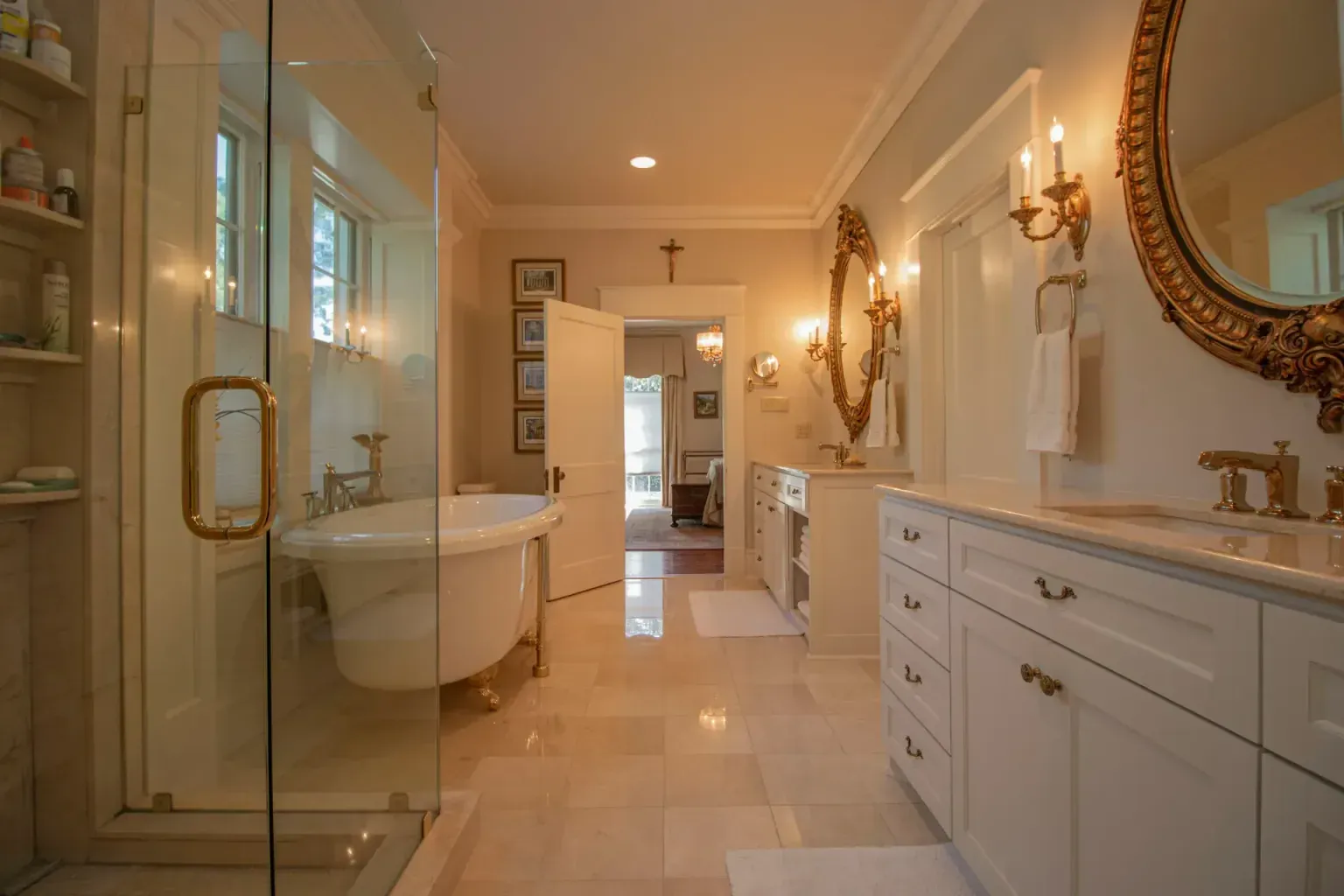
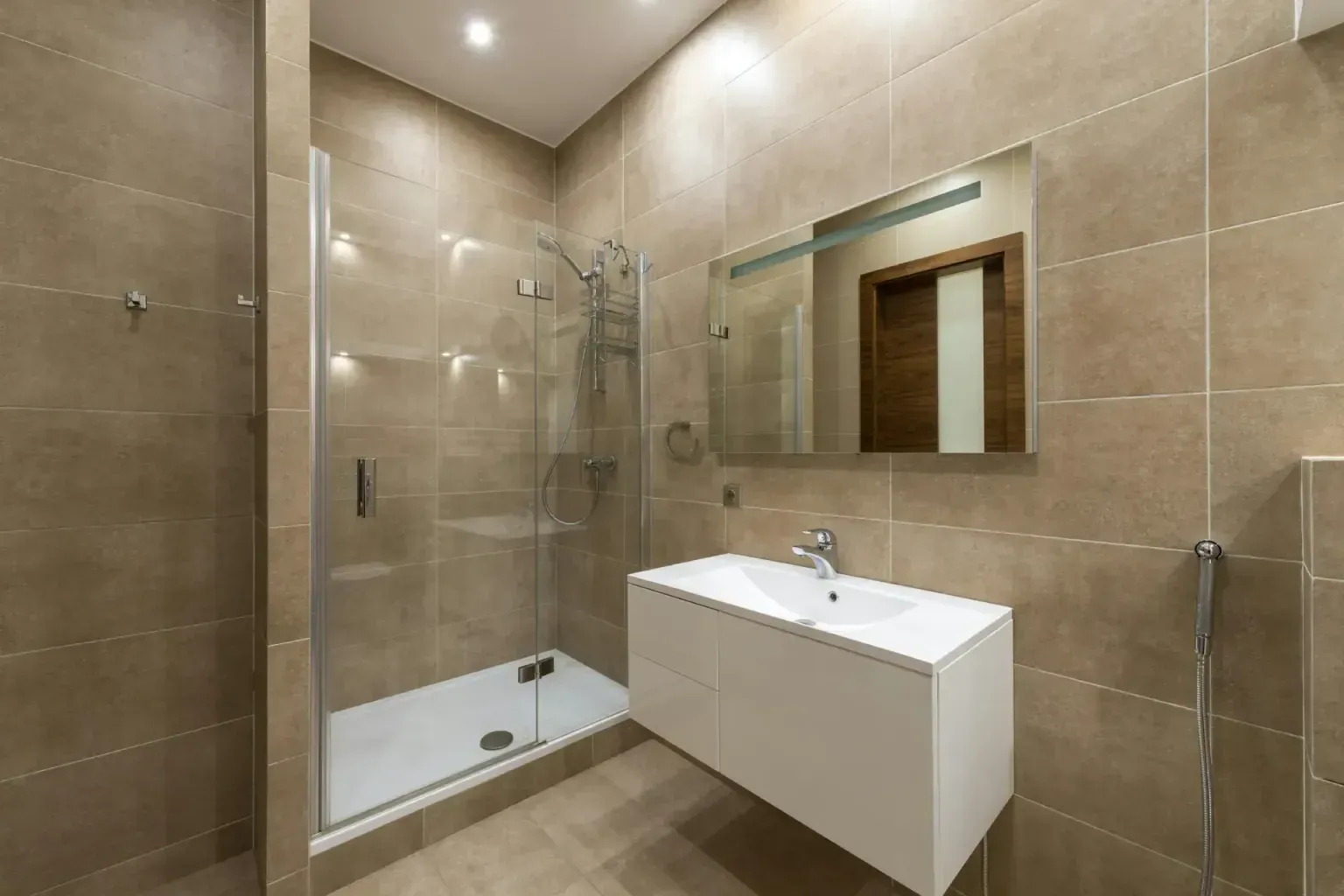
SA Bathroom Remodel Pros provides bathroom remodel mold removal, mold remediation, and water damage restoration across San Antonio, TX. When we tear into a bathroom wall during a remodel, we often discover mold hidden behind tile, vanities, or shower surrounds—and we handle containment and remediation before the rebuild begins.
Mold remediation is not the same as scrubbing a surface with bleach. Bathroom remodel mold removal requires containment, safe removal of infected drywall and framing, air filtration, antifungal treatment, and waterproofing to prevent recurrence. We integrate this work into your remodel timeline so you get a mold-free, moisture-resistant bathroom when we are done.
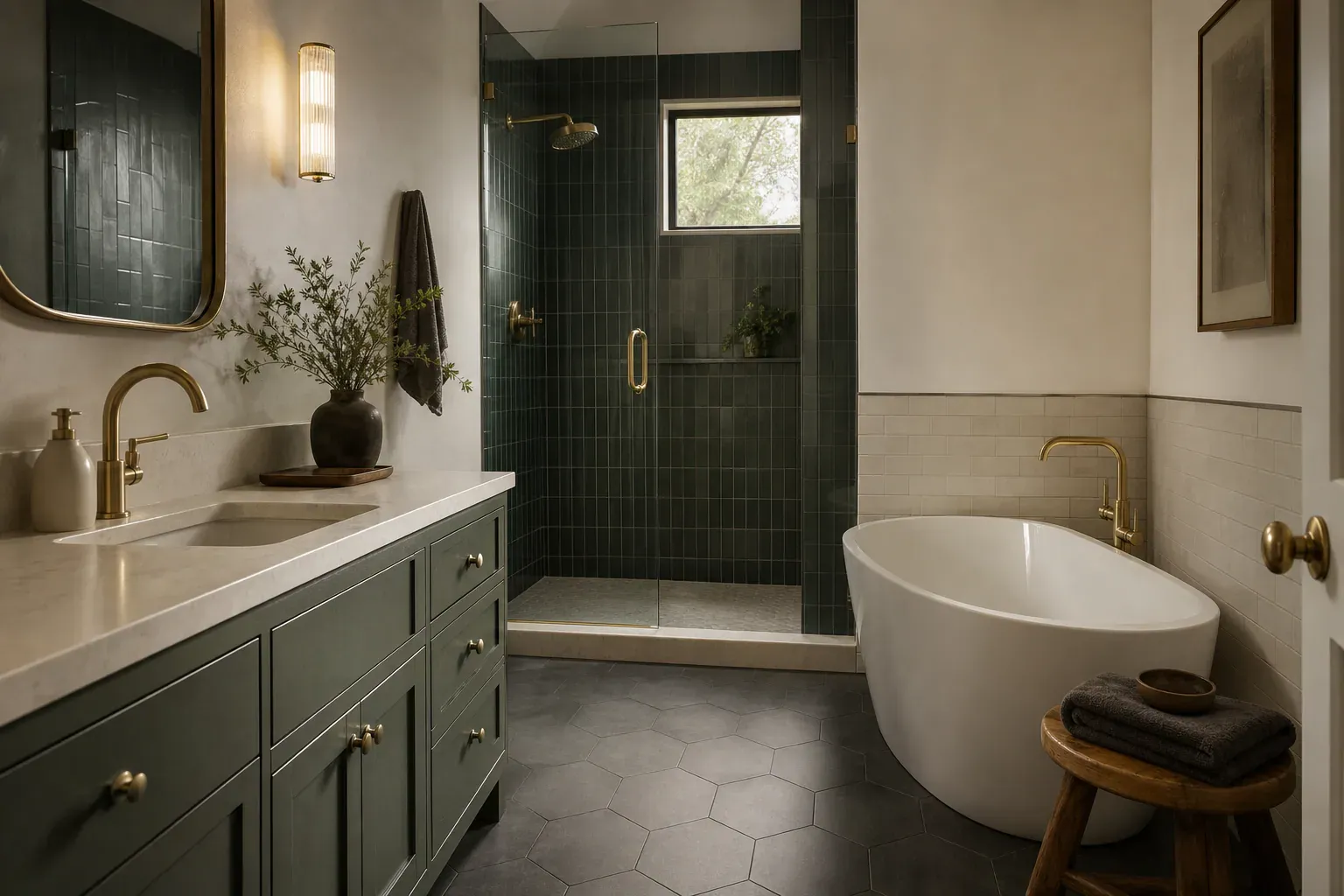
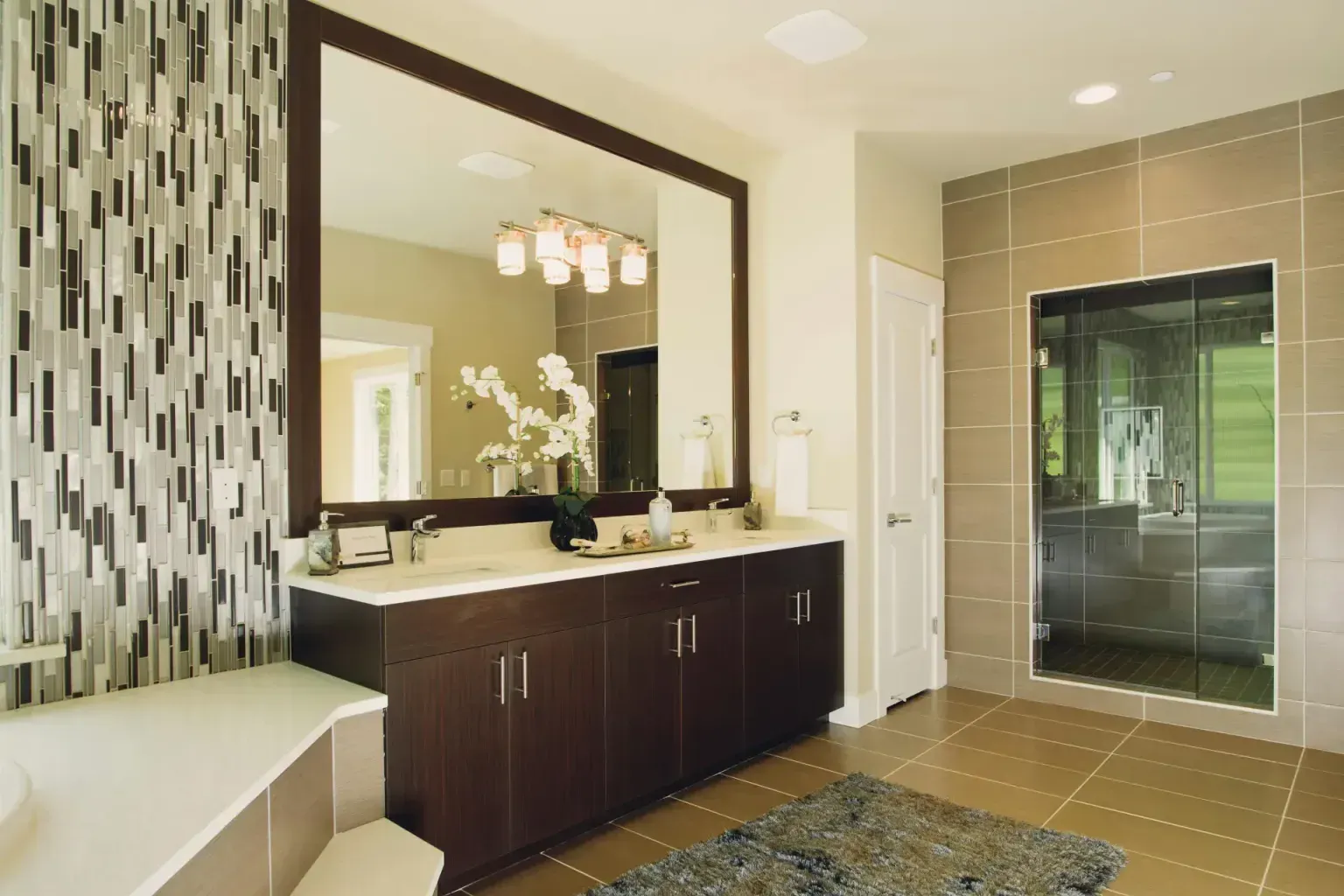
The most obvious sign appears during demo: discoloration on drywall backing, studs, or joists once tile or a vanity is pulled away. The staining ranges from light gray or brown streaks to dark black patches. Black mold—the species Stachybotrys chartarum—is the most visible and alarming, but Alternaria, Aspergillus, Penicillium, and Cladosporium are equally common in bathrooms and equally in need of remediation.
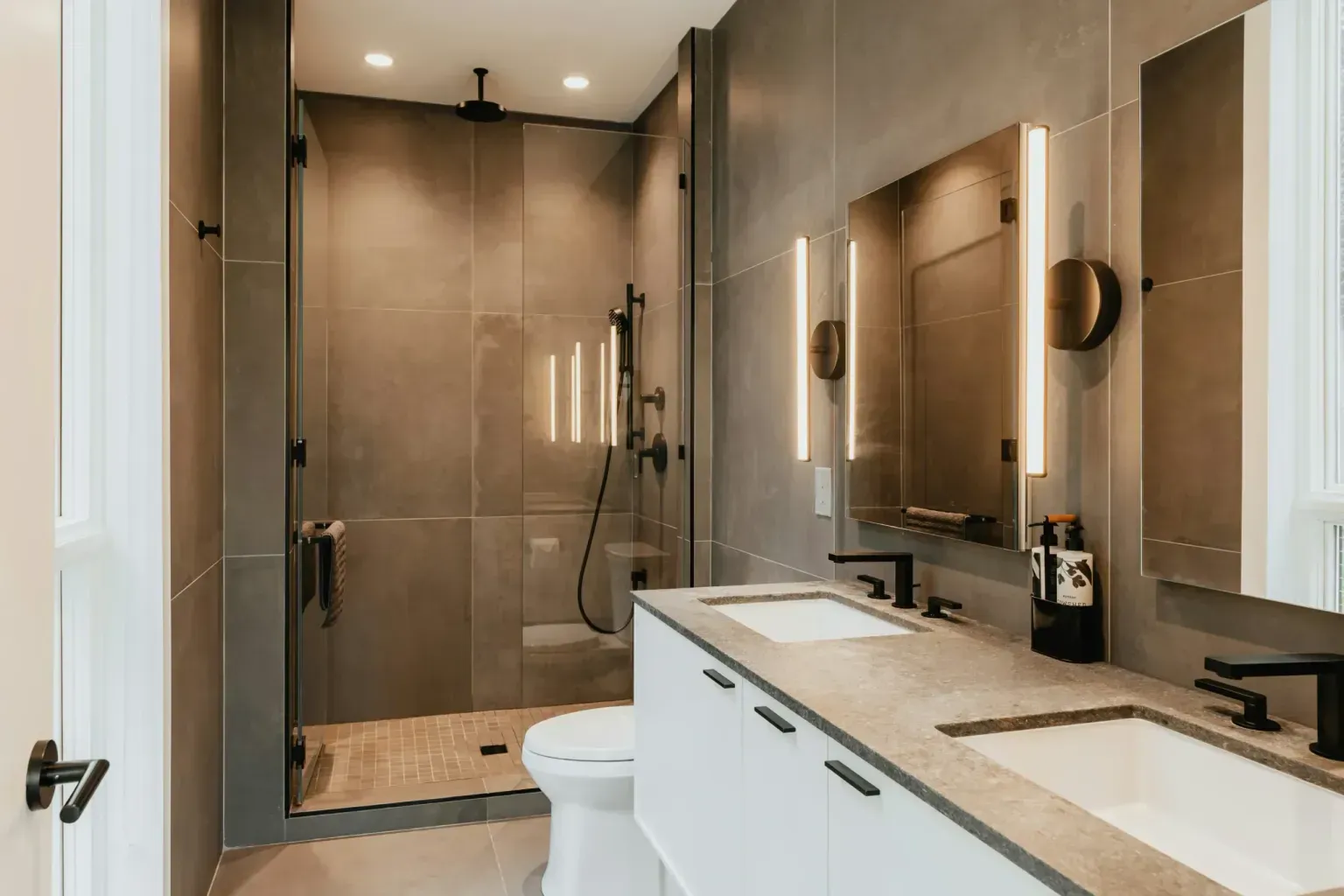
Stachybotrys chartarum, the black mold, thrives on chronically wet drywall and cellulose above 90% humidity. Cladosporium and Penicillium colonize grout lines, caulk joints, and porous surfaces within days of a leak. Aspergillus and Trichoderma are airborne generators—they release spores easily when disturbed, which is why containment and HEPA filtration are critical during removal. Alternaria tends to grow on tile surfaces and at the grout-and-tile interface, especially around shower pan edges where water pools.
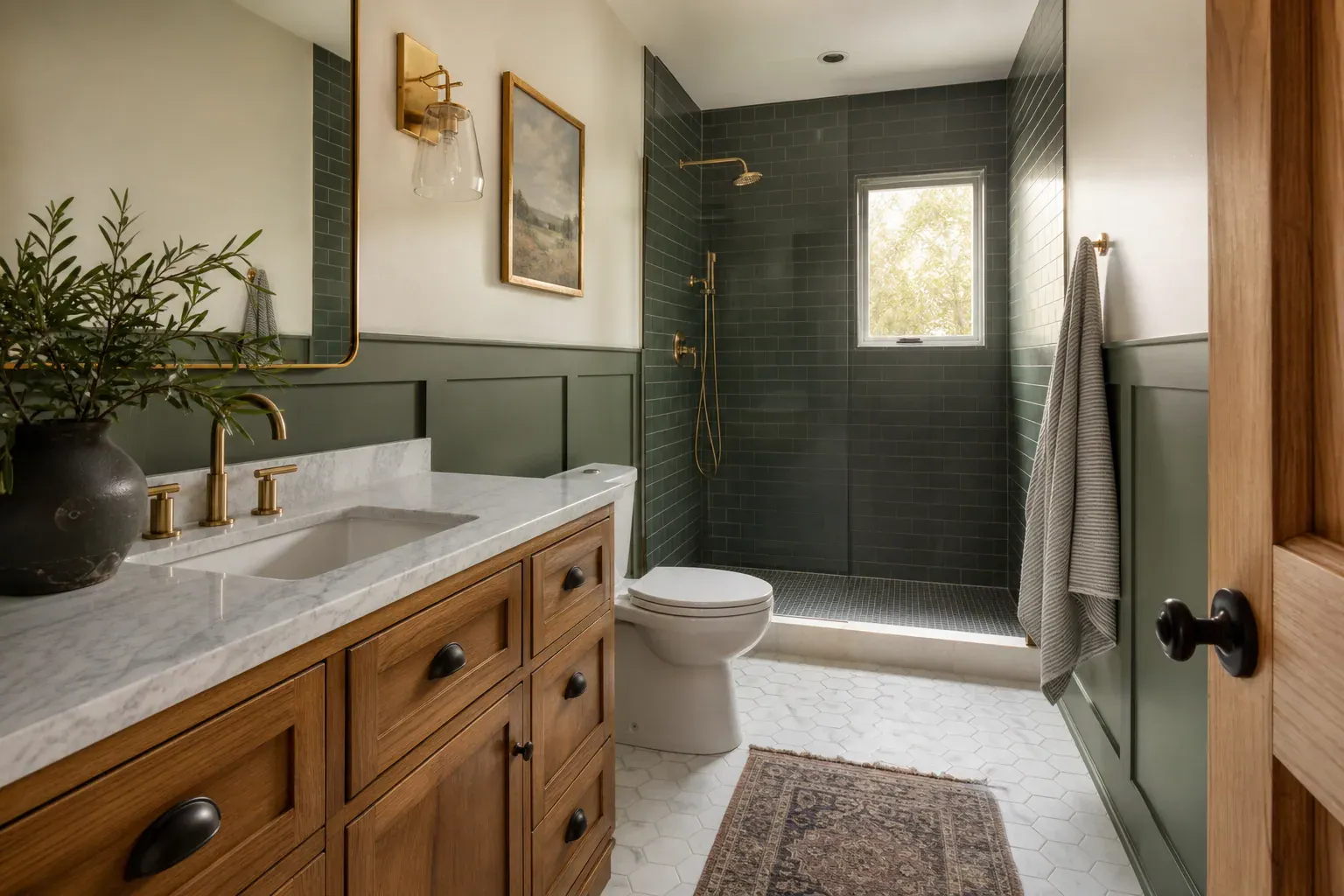
The process follows the IICRC S520 standard, the industry protocol for mold remediation. Step one is containment. Before any demo begins, we isolate the affected bathroom with plastic sheeting, zipper doors, and negative-air pressure. This prevents mold spores from spreading to adjoining bedrooms, hallways, or the rest of the home during removal work.
Step two is removal. Our crew wears respirator masks and hazmat suits. We wet down dry mold to suppress spore release, then remove drywall at least 12-18 inches beyond visible staining—not just the black patch, but the surrounding material where spores have migrated into wood fibers. A wet/dry vacuum extracts standing water and bulk debris. A HEPA vacuum then passes over all exposed framing and adjacent surfaces to capture airborne particles.
HEPA filtration removes 99.97% of particles 0.3 microns and larger. Mold spores are 4-12 microns, so HEPA capture is extremely effective. Air scrubbers pull contaminated air through HEPA filters and return clean air, creating negative pressure that forces any remaining spores out through a sealed exhaust, not into the home.
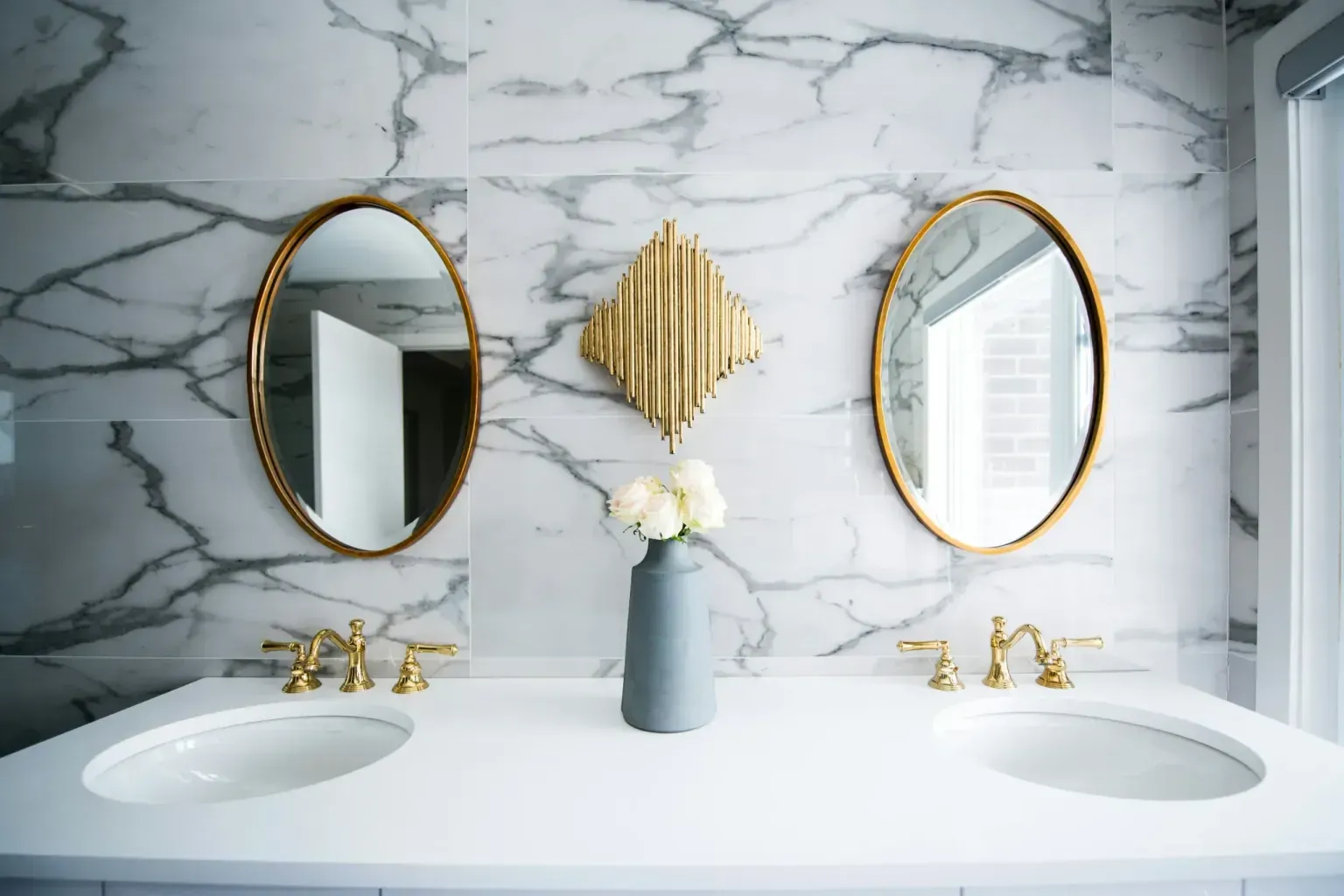
Cutting out contaminated drywall is informed by moisture detection tools that help us find the extent of wet material. We remove drywall a minimum of 12-18 inches past visible staining because mold spores travel through wood fibers well beyond the visible edge. Framing that shows no visible damage but reads above 15% on a moisture meter is also removed or treated, as residual dampness will support regrowth.
After drywall removal and before new material is installed, exposed framing receives an antifungal treatment. Concrobium spray is a non-toxic, residue-free option that kills mold on contact and prevents regrowth on wood and masonry. A diluted bleach solution (10% household bleach, 90% water) is a cheaper alternative; it requires longer drying time and can be harsh on wood if over-applied.
Long-term prevention relies on humidity control and air circulation. A properly sized bathroom exhaust fan—rated for the room's square footage per code—removes moisture during and after showers. A dehumidifier targeting 30-50% relative humidity prevents moisture from accumulating in the air and condensing on cool surfaces. We install both during the remodel and recommend running the exhaust fan during and for 30 minutes after every shower.
IICRC-certified mold removal contractors follow documented chain-of-custody testing, documented removal procedures, and post-remediation clearance sampling. A technician does not simply assume the mold is gone; they verify it with air and surface samples before the job is signed off. This documentation matters for your safety and for future insurance or sale disclosures.
Mold hides. You can see dark patches on grout or caulk, but the real damage lives behind walls, under tile, and inside the cavity spaces where water has pooled for months. During a bathroom remodel, we tear into those walls. When we do, we find mold that was invisible. A lot of homeowners discover mold for the first time when we open up the wall around a shower or under a vanity. This is actually the right moment to catch it—before we seal everything back up with new drywall and fixtures.
Our mold inspection and assessment happens as we demo the old bathroom. We look for the telltale soft spots in framing, the discoloration on rim joists, and the fuzzy growth on the back of old tile backing. If we find it, we document it, contain the spores with plastic sheeting and negative air pressure, and remove all the contaminated material before we rebuild. You do not want to close the walls back up with active mold still present.
Humidity reduction techniques start with that ventilation, but they do not end there. We install ductwork that vents directly to the exterior, not the attic. We run the fan during the shower and for 20 to 30 minutes after. We also recommend a timer or a humidity sensor switch so the fan runs automatically when moisture climbs above 50 to 55 percent. Dehumidifier installation is another tool for basements or bathrooms with chronic moisture problems—these units pull water vapor out of the air continuously and are especially useful in San Antonio during humid months when outside air is already saturated.
Shower and bathtub mold cleaning looks simple but must be done right during the remodel. If old tile or caulk shows mold, we do not just scrub it. We remove it completely. Old caulk is porous; mold roots grow deep into it and survive surface cleaning. We strip it out, treat the substrate with an antimicrobial, and seal it with new 100 percent silicone caulk or better. For tub surrounds, we often tear out tile and replace it with waterproof backing board and mold-resistant grout, which stops spores from regrowing in the same spot.
Mold prevention strategies are built into the final design. We slope the shower floor so water does not pool at the low corner. We waterproof the framing and substrate below and behind the tile. We use mold-resistant drywall in the bathroom, not standard drywall, which is just paper and gypsum—a perfect food source for mold. We seal penetrations where pipes go through walls. We ensure the exhaust fan ductwork is airtight and vented to the outside, not disconnected or leaking into the attic. These details happen during construction, not after you move back in.
Mold remediation is not the same as scrubbing a surface with bleach. Bathroom remodel mold removal requires containment, safe removal of infected drywall and framing, air filtration,…
The most obvious sign appears during demo: discoloration on drywall backing, studs, or joists once tile or a vanity is pulled away.
Stachybotrys chartarum, the black mold, thrives on chronically wet drywall and cellulose above 90% humidity.
The process follows the IICRC S520 standard, the industry protocol for mold remediation. Step one is containment.
HEPA filtration removes 99.97% of particles 0.3 microns and larger. Mold spores are 4-12 microns, so HEPA capture is extremely effective.
Cutting out contaminated drywall is informed by moisture detection tools that help us find the extent of wet material.
Why homeowners call us
Every bathroom remodel job is scoped and priced in writing, so the number you approve is the number you pay. If something behind the wall changes the work, we stop and price it first.
You speak to the people doing the work, not a call centre, and cover certificates go to your building manager or general contractor on request.
Containment, floor protection and same-day debris removal on every interior job — the space stays usable while the work is going on.
Crews work San Antonio and the surrounding cities every week, so a walkthrough is usually available within the same week you call.
FAQ
Stop work immediately and call a mold remediation contractor. Do not disturb the mold or attempt to clean it yourself. Photographs help document the discovery. A professional inspection confirms the extent, testing identifies the species if needed, and containment begins before any further demo. Delaying remediation allows mold to spread into adjacent framing and increases cost and timeline.
Professional removal is strongly recommended. DIY bleach wiping removes surface mold only and does not address spores in damp materials or wall cavities. Without proper respirator masks, hazmat suits, and containment, you inhale spores and spread them throughout your home. IICRC-certified contractors use validated protocols, HEPA filtration, and post-remediation testing to verify the work is complete and safe.
Stachybotrys chartarum (black mold), Cladosporium, Penicillium, Aspergillus, Alternaria, and Trichoderma are the most common bathroom species. Each prefers different surfaces—black mold on wet drywall, Cladosporium on grout, Aspergillus on tile—and each poses health risks. A mold testing kit can identify the specific genus if needed, but all require professional remediation.
Remove all contaminated drywall and treat framing with an antifungal spray like Concrobium or diluted bleach. Replace drywall with moisture-resistant material and apply a waterproofing membrane. Install or upgrade exhaust fan ventilation, maintain humidity at 30-50%, and repair any plumbing leaks immediately. Without moisture control, mold will return.
Respiratory irritation, allergic reactions, sinus congestion, and persistent cough are the most common complaints. Sensitive populations—children, the elderly, and immunocompromised individuals—face higher risk. Aspergillus exposure can lead to serious infections in immunocompromised people. Professional mold removal eliminates the source and improves indoor air quality.
Containment, removal, drying, and treatment typically run 3-5 days. Reconstruction with waterproofing and new finishes adds 1-2 weeks. Total timeline from mold discovery to completion is usually 2-3 weeks, depending on framing damage extent and material lead times. The process cannot be rushed—drywall must dry fully before new material is installed.
Call 575-640-4335 for a walkthrough, usually within the same week.